

Comprehensive Eye Care
A comprehensive eye exam is the key to protecting your vision and detecting potential problems early.
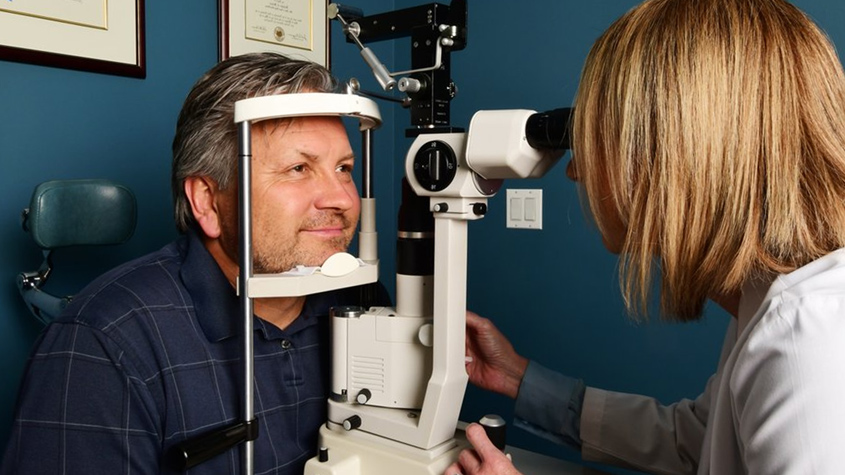
What Is a Comprehensive Eye Exam?
A comprehensive eye examination is a thorough evaluation of your eye health and vision. Unlike a vision screening, this exam goes beyond checking if you need glasses or contacts. It includes a series of tests designed to assess your visual acuity, eye coordination, and overall eye health.
What to Expect During Your Visit
During a comprehensive eye exam, our doctors will:
- Review Your Health History: Including any vision problems, medications, and family history of eye conditions.
- Test Visual Acuity: Measure how clearly you see at different distances.
- Check for Refractive Errors: Determine if you need prescription lenses to correct nearsightedness, farsightedness, or astigmatism.
- Examine Eye Muscle Function: Ensure your eyes work together and move properly.
- Evaluate Pupil Response: Test how your pupils react to light and objects at various distances.
- Inspect Eye Health Internally and Externally: Using specialized equipment to detect signs of dry eyes, glaucoma, cataracts, macular degeneration, retinal issues, or other diseases.
- Dilate Pupils: To get a better view of the internal structures of your eyes.
Why Eye Exams Matter
Comprehensive eye exams can detect eye diseases in their earliest stages—often before symptoms appear. They can also reveal signs of other health conditions such as high blood pressure, diabetes, and even certain cancers.
Regular eye exams are essential for:
- Maintaining clear vision
- Preventing vision loss
- Monitoring existing eye conditions
- Supporting overall health and wellness
How Often Should You Get One?
Regular monitoring and preventative care can help preserve your eyesight for the future. For this reason, our doctors recommend annual exams.

All Eye
Care Services
Keep
In Touch
TestimonialsWhat our
What our
Patients Say
My family and I have had excellent care at Wink. The doctors and staff are warm, friendly, and knowledgeable. The glasses selection ranges from classic to quirky, and the contacts I ordered were a great fit. I especially appreciate how sweet & kid-friendly they are for my child’s eye care! 10/10 ❤️
By Chicago H.
Doctor Beute and her staff always do a really thorough and thoughtful job on our eye exams and is really good at suggesting the best lenses & contacts for our different vision problems. Highly recommend her and the Wink Team for eye care.
By Chicago H.
The exams are thorough and accurate. On time and efficient. But most importantly, they are AMAZING with kids. Literally my kids came out saying it was the most fun appt. I would give 5+ stars!
By Dagmara G-A
Dr. Beute, was amazing! She was so thorough in her eye exam and answered all my questions. She really embodies the warmth and kindness a healthcare provider should have and I really appreciated that.
By Talia Aman Y.
Dr Stacy Beute is as thorough as she is kind. We have a family history of glaucoma and other eye issues and she took her time during everyone’s examinations. The staff up front are so accommodating and welcoming as well. I cannot recommend Wink Optical enough.
By Tara K.
MAP



Contact Info
Office Hours
Monday 10:00 am – 4:00 pm
Tuesday 11:00 am – 8:00 pm
Wednesday Closed
Thursday 11:00 am – 8:00 pm
Friday 10:00 am – 6:00 pm
Saturday 9:00 am – 2:00 pm
Sunday Closed
Powered by: 